Last Updated: November 21, 2026
Quick Summary
Electrical safety in older homes starts with spotting the warning signs: warm or discolored outlets, flickering lights, a burning smell, and breakers that trip without reason. Test every GFCI outlet and smoke alarm monthly, check for cracked or frayed cords, and confirm no outlet feels warm. Two-prong outlets have no ground path, so have them replaced with grounded, GFCI-protected outlets.
- Warm outlets often mean loose connections are heating up behind the wall.
- Test every GFCI outlet and each smoke alarm using its test button monthly.
- Keep extension cords out of doorways and never run them under carpets.
- Match each bulb to the fixture’s recommended wattage during monthly checks.
- Plug adapters restore the physical fit but leave two-prong outlets ungrounded.
Table of Contents
- Signs of Faulty Electrical Wiring in Older Homes
- Your Electrical Safety Checklist for Homeowners
- Two-Prong Outlets Safety: What You Need to Know
- Frequently Asked Questions
Signs of Faulty Electrical Wiring in Older Homes
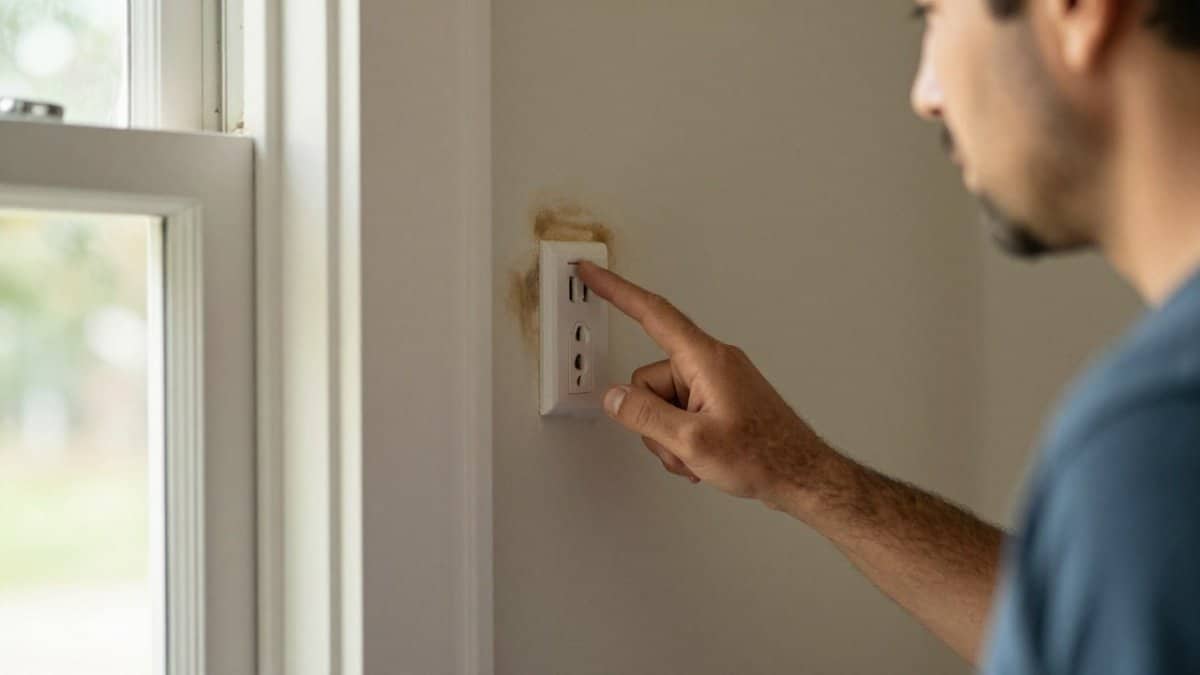
The clearest signs of faulty electrical wiring in older homes are warm or discolored outlets, flickering lights, a burning smell, and breakers that trip without reason. Those signals are a reason to stop and have the system checked. Electrical safety in older homes starts with noticing what your house is telling you.
A warm outlet often means loose connections are heating up behind the wall.
If you spot these signs, browse home wiring services to see what an upgrade involves.
Your Electrical Safety Checklist for Homeowners
This electrical safety checklist covers monthly checks you can do yourself, without opening a panel or touching a wire.
- Test every GFCI outlet using its test button
- Press the test button on each smoke alarm
- Look for cracked or frayed cords
- Check that no outlet feels warm
- Keep extension cords out of doorways and under carpets
- Confirm each bulb matches the fixture’s recommended wattage
The U.S. Consumer Product Safety Commission publishes home electrical safety guidance worth reviewing each season.
When the checklist turns up real problems, secure peace of mind with a professional electrical visit and get the wiring checked by someone qualified.
Here are the monthly checks homeowners can do themselves, without opening a panel or touching a wire.
| Check | Frequency |
|---|---|
| Test every GFCI outlet using its test button | Monthly |
| Press the test button on each smoke alarm | Monthly |
| Look for cracked or frayed cords | Monthly |
| Check that no outlet feels warm | Monthly |
| Keep extension cords out of doorways and under carpets | Monthly |
| Confirm each bulb matches the fixture’s recommended wattage | Monthly |
Two-Prong Outlets Safety: What You Need to Know
Two-prong outlets safety comes down to one fact: they have no ground path, so a fault has nowhere safe to go. Ungrounded receptacles raise the risk of shock and are common in older homes. Plug adapters restore the physical fit but leave the outlet ungrounded.
The real fix is replacing the circuit with grounded, GFCI-protected outlets, electrician work. If your home still has two-prong outlets, contact our team to schedule the upgrade.
Older wiring rewards attention, not guesswork. If your inspection turns up hazards you would rather not handle alone, 3rd Eye Surveillence can help. We bring over a decade of experience in electrical and security work, BBB affiliation, and a local team that treats your home like their own. Get started with 3rd Eye Surveillence and make your older home safer this season.
Frequently Asked Questions
How can you tell if wiring in an older home is unsafe?
Warning signs include flickering or dimming lights, warm or discolored outlets and switch plates, a burning smell near outlets, frequently tripped breakers, and two-prong outlets without a ground. Knob-and-tube wiring visible in attics or walls is a major red flag. If you notice any of these, avoid using the affected circuit and have a qualified electrician inspect the system. Electrical safety in older homes depends on catching these signs early.
Are two-prong outlets safe in an older home?
Two-prong outlets lack a grounding conductor, so they offer no path for stray current to safely dissipate. They are not inherently dangerous if wiring is intact, but they increase shock risk, especially in wet areas. Never use a cheater plug to force a three-prong cord into a two-prong outlet. For two-prong outlets safety, the best solution is having a licensed electrician upgrade the circuit to grounded, GFCI-protected receptacles.
When should old wiring be replaced?
Old wiring replacement is usually needed when the existing system is knob-and-tube, aluminum branch wiring, or cloth-insulated wire that has become brittle. Also replace wiring if you see frayed insulation, scorch marks, or frequent breaker trips. Modern code requires grounded circuits and GFCI protection in kitchens, bathrooms, and outdoors. An electrician can assess whether partial upgrades or a full rewire is necessary for your home’s electrical safety.